



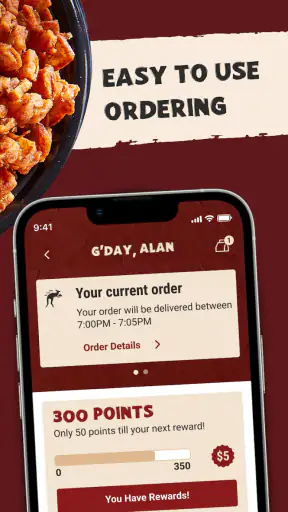
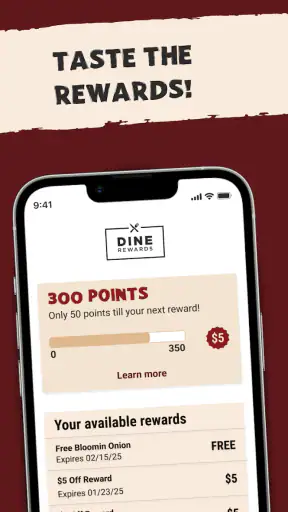
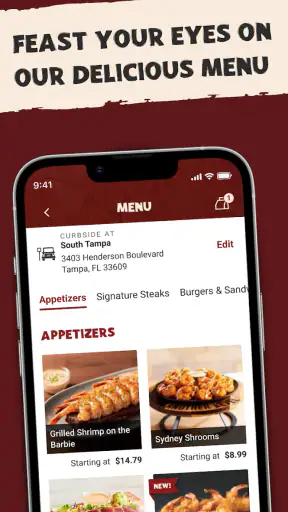
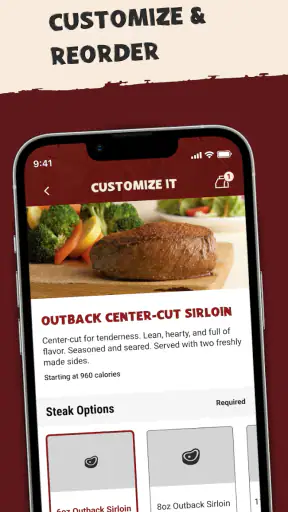
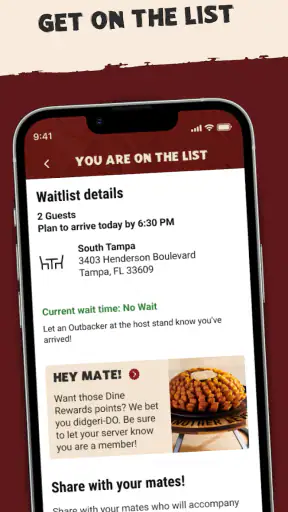
When I want Outback Steakhouse without turning dinner into a long planning session, I use Outback Steakhouse as the starting point. It is a free Food & Drink app from Outback Steakhouse of Florida, LLC, and its main value is practical: it puts the restaurant’s ordering experience closer to the moment when I actually need it. I can begin with a craving, a busy evening, or the simple need to organize a meal, then move through the app toward a clearer decision about what to order and how to get it.
That sounds straightforward, but restaurant apps are only useful when they reduce friction rather than add another layer between me and dinner. In my experience, this one works best when I already know I want Outback and need a focused way to handle the next steps. It is less compelling as a general restaurant-discovery tool, because its purpose is tied closely to one steakhouse brand rather than to comparing many nearby choices.
From a dinner idea to a completed Outback order
Starting with the situation I actually have
The most realistic use begins after the decision to eat at Outback has already been made. Maybe I am leaving work and want to arrange a meal before getting home. Maybe several people are asking what to eat, and I need to turn a vague conversation into an actual order. In those moments, I do not want a broad food marketplace filled with unrelated restaurants. I want the Outback menu experience in one place and a path toward the next action.
The app is also useful when I am planning around a group. A steakhouse order can become confusing when everyone chooses something different, especially if one person is collecting requests while another person is responsible for placing the order. Having the restaurant’s own app as the shared reference point makes the conversation more concrete. I can check the available choices, discuss them with the group, and then hand the phone to the person who needs to confirm the final details.
That handoff is important. The app does not replace the human part of ordering: people still need to agree on what they want, and someone still needs to check that the final basket reflects those choices. Its advantage is that it gives the group a common place to work from instead of relying on memory, screenshots, or a loosely written message.
Moving through the choices one step at a time
My preferred workflow is to open the app before everyone is ready to decide. I look through the available restaurant choices first, then narrow the order around the occasion. For a solo meal, I can focus on one main item and any additions I genuinely want. For a family or group order, I treat the app as a planning surface: I pause between selections, read each item carefully, and avoid rushing into checkout simply because I am hungry.
This is where a restaurant-owned app can feel more comfortable than a third-party delivery marketplace. The screen is centered on Outback rather than competing restaurants, sponsored listings, and unrelated recommendations. That narrower focus is a strength when I have already chosen the brand. It also means I should not open it expecting to compare Outback with local steakhouses, fast-food options, or independent restaurants. For that kind of decision, a broader food app is the better first stop.
I also recommend treating the menu as a checklist rather than browsing casually. When ordering for several people, I keep track of who requested each item and review the basket before moving forward. This simple habit helps prevent the most common mistake in any group order: remembering the main dishes but forgetting a side, drink, or special request. The app can organize the order, but it cannot know which person in the group changed their mind five minutes ago.
Where the handoffs happen
The first handoff is from appetite to planning. I decide whether the meal is for myself, a household, or a larger group, then use the app to translate that decision into individual selections. The second handoff is from browsing to confirmation. At that point, I stop adding items and inspect the order as if I were the person receiving it.
For a shared order, I find it helpful to let one person own the final review. Too many people editing at once can create uncertainty, especially when the phone moves around the table. One person can read the order aloud while the others confirm their items. This is not a glamorous feature, but it is a genuinely useful workflow improvement: the app becomes the source of truth for the order instead of a place where everyone makes separate guesses.
The last handoff is from the app to the restaurant experience. Once the order is ready to be submitted, the important question is no longer whether the interface looks convenient. It is whether the selected items, location, and fulfillment choices match what I intended. I slow down here because the cost of a mistake is higher after confirmation than during browsing.
I would not rely on memory for this final check. I review the selected items, quantities, and any instructions visible in the order flow. If I am ordering for someone with a particular preference, I make sure that preference is represented before finishing. This is one of the more useful lessons from using restaurant apps generally: the fastest route is often a careful review, because correcting an incomplete order later is rarely faster.
What the result feels like in everyday use
When the workflow goes well, the result is not a dramatic transformation. It is a calmer ordering process. I have fewer open questions, the group can see what is being considered, and the person responsible for the meal has a clearer final step. That practical benefit is exactly why I would recommend this app to someone who visits Outback regularly or already knows that Outback is the restaurant they want.
It is especially convenient in a realistic after-work scenario. I might be commuting, realize that nobody at home wants to cook, and open the app while the household discusses dinner. Instead of waiting until everyone is hungry and then starting the entire process, I can prepare the order while the conversation is happening. By the time I am ready to finish, the decision has already been narrowed down.
Another useful situation is a planned meal where timing matters. If I know I will be feeding several people, I can review the menu earlier rather than making choices under pressure. That gives me time to notice whether the intended order is too complicated, whether everyone has selected something, and whether a simpler alternative would be easier for the group.
The app has a 4.7 average from around 26 thousand ratings, and it has passed the one-million-install mark. Those figures suggest that the experience is resonating with a substantial audience, but they do not remove the need for personal judgment. A highly rated restaurant app can still be the wrong fit for someone who rarely eats at that chain or prefers comparing every nearby restaurant before ordering.
What makes it different from the usual alternatives
Compared with calling the restaurant, the app gives me a more visual way to review choices and build an order. A phone call can be useful when I have a complicated question or need direct clarification, but it depends on listening carefully and remembering details. The app is better for seeing the order in front of me and checking it before I commit.
Compared with a general delivery marketplace, the trade-off is focus versus breadth. A marketplace may be better when I want to compare restaurants, delivery options, or cuisines in one session. Outback’s app is better when the restaurant decision is already made and I want a more direct route through that brand’s ordering process. I would not use it to discover dinner from scratch; I would use it after Outback has become the answer.
Compared with a mobile browser, a dedicated app can feel more natural for repeat use because it keeps the restaurant experience separate from unrelated tabs and searches. That said, installing an app is not automatically worthwhile for an occasional visitor. If I only order from Outback once in a long while, the convenience may not justify giving it space on my phone. Regular customers are the people most likely to notice the benefit.
The app is free, which removes the usual purchase barrier. It is rated for Everyone, so it is suitable as a household ordering tool rather than something limited to an adult audience. It was released on September 9, 2015, and the current version is 5.18.0, with a minimum operating system requirement of 11. Before planning to depend on it during a busy evening, I would check that the phone meets that requirement and that the app is up to date.
Small habits that make the workflow smoother
My first tip is to separate browsing from ordering. I look through the choices once without immediately adding everything, then begin the actual order after I understand what the group wants. This reduces accidental duplicates and makes it easier to spot when a choice has changed.
My second tip is to appoint a final editor for group meals. Everyone can contribute ideas, but one person should be responsible for the last review. This is particularly useful when a child, partner, or friend is choosing from the same phone. The app handles the visible order; a single person handles accountability.
My third tip is to use the basket as a communication tool. If someone asks, “Did you add mine?” I do not answer from memory. I open the order and check. That habit sounds obvious, but it is more reliable than trying to reconstruct a multi-person order from a conversation.
My fourth tip is to avoid waiting until the last possible minute. The app can make the ordering steps more organized, but it cannot eliminate busy restaurant periods, indecision, or the time needed for a group to agree. Starting earlier gives me room to review the order instead of treating the app like an emergency shortcut.
Where the flow breaks down
The biggest limitation is that the app’s usefulness depends on already wanting Outback Steakhouse. If I am undecided about the restaurant, it does not solve the broader problem of comparing nearby alternatives. A food marketplace, map app, or restaurant-review service is more suitable for that first stage because it helps me decide where to eat rather than only helping me proceed with one brand.
There is also a human bottleneck in group ordering. The app can display the order, but it cannot make several people agree quickly. If everyone is changing selections while one person tries to finish, the process can still feel slow. My workaround is to gather the requests first, then use the app for confirmation instead of letting the menu become an endless group discussion.
Another point of friction is the final review. The app may make the path feel quick, but speed can encourage careless confirmation. I would rather spend an extra minute checking the basket than discover later that the quantity or selection does not match what the group expected. This is not a reason to avoid the app; it is a reason to use its ordering flow deliberately.
People who prefer speaking directly with restaurant staff may also find a phone call more comfortable, especially when they need to explain an unusual situation. Likewise, someone who wants one app for many restaurants may prefer a marketplace even if it feels less focused. The best choice depends on whether convenience means “fewer choices and a direct path” or “many choices in one place.”
Who should use it and who should skip it
I would recommend it to regular Outback customers, households that often coordinate meals, and anyone who wants to prepare an order without relying on a phone conversation. It is also a sensible option for people who prefer reviewing the details visually before submitting an order. The focused design makes the most sense when the restaurant decision is already settled.
I would skip it if I am only looking for restaurant discovery, comparing prices across several businesses, or deciding between completely different cuisines. I would also think twice if I rarely visit Outback and do not want another dedicated restaurant app. In those cases, a browser or broader food service may fit my habits better.
My final view is positive, with a clear condition: this is a focused tool, not a universal food-ordering solution. It helps turn an Outback meal from a loose idea into a more organized sequence of choices, review, and confirmation. The strongest benefit appears in repeat use and group planning, where having one shared order reduces confusion. If that matches the way you eat, the app earns its place as a practical shortcut rather than a flashy extra.
Outback Steakhouse of Florida, LLC has built an experience that is easy to understand: start with the restaurant, shape the meal, check the handoff, and finish with confidence. I would still compare other options when I am undecided, and I would never skip the final order review. But when I already want Outback and need a dependable way to organize dinner, I find this free app more useful than calling from memory or searching through a crowded marketplace.


